Teaching

A curriculum for humans, from people who study how machines learn over time. Course enrollment is through Stud.IP.

A path through our courses

We teach the way we think machines should learn. Pick a course to see what it covers and where it can lead. These are suggestions, not formal prerequisites.

Offered in

Block course · BSc · Winter · Taught in German

Python Block Course

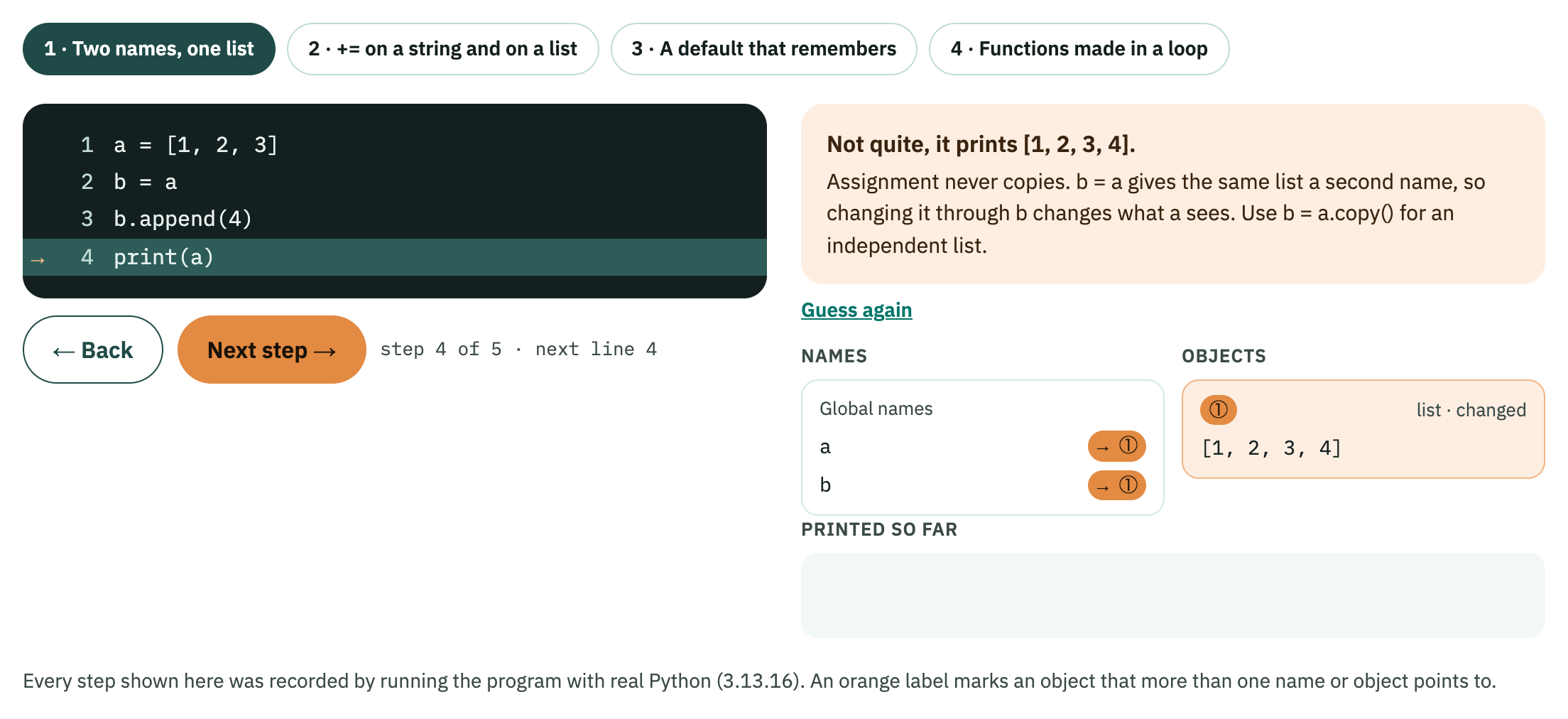
Learn to read, understand and run Python programs, with the basics of data structures, functions and array operations. The course also covers translating mathematical descriptions into programs, first steps in visualization and data analysis, and a look at modern Python libraries for data science, AI and machine learning.

Lecture + Tutorial · BSc · Winter · Taught in German

AI: Transforming Computer Science

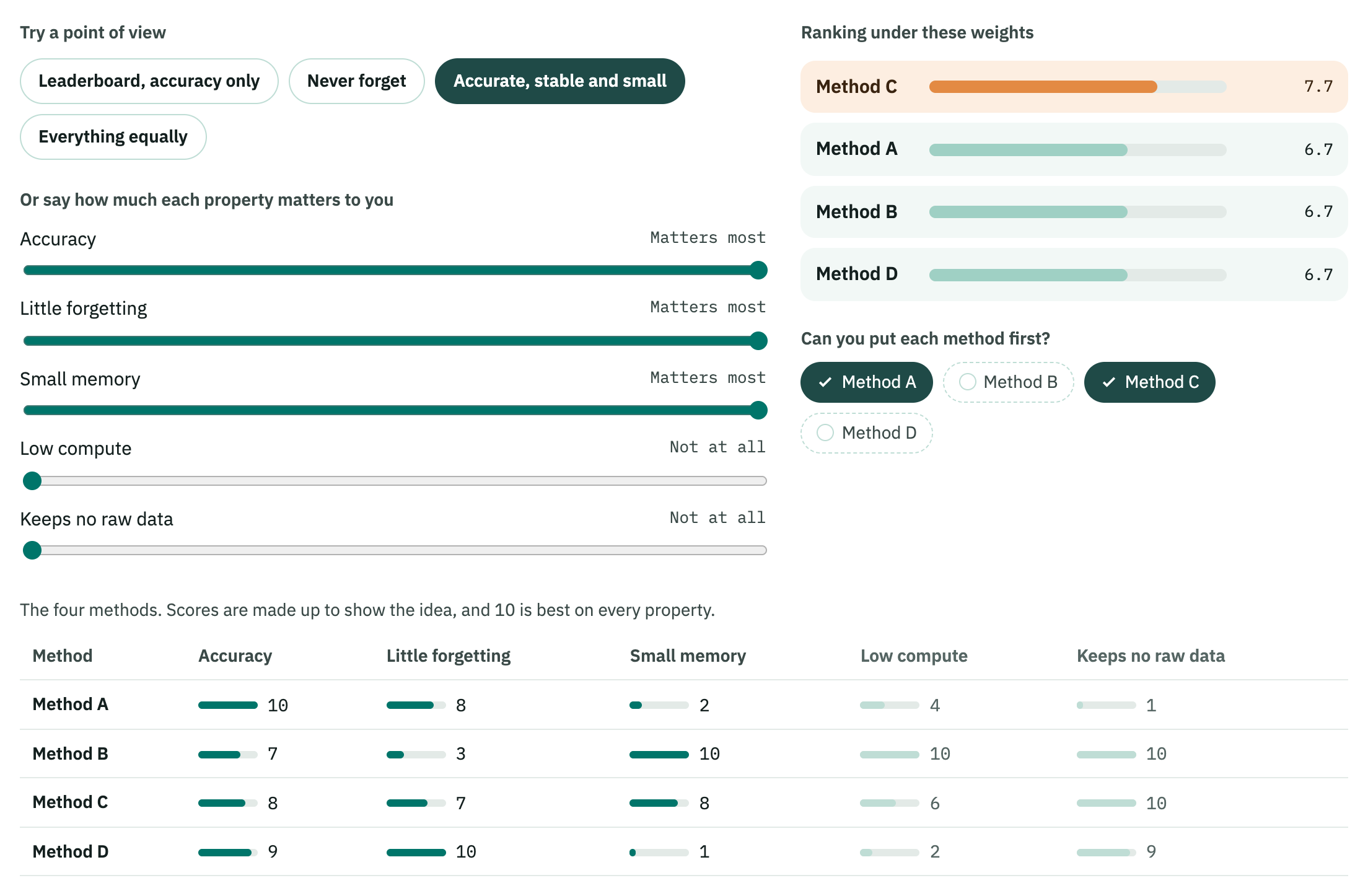
How AI is transforming computer science and neighboring disciplines, from the technical foundations of recognizing patterns in images and text, to methods like gradient descent and neural networks, alongside societal questions on fairness, transparency, data protection and regulation in the EU AI Act.

Lecture + Tutorial · MSc · Winter · Taught in English

Deep Generative Models

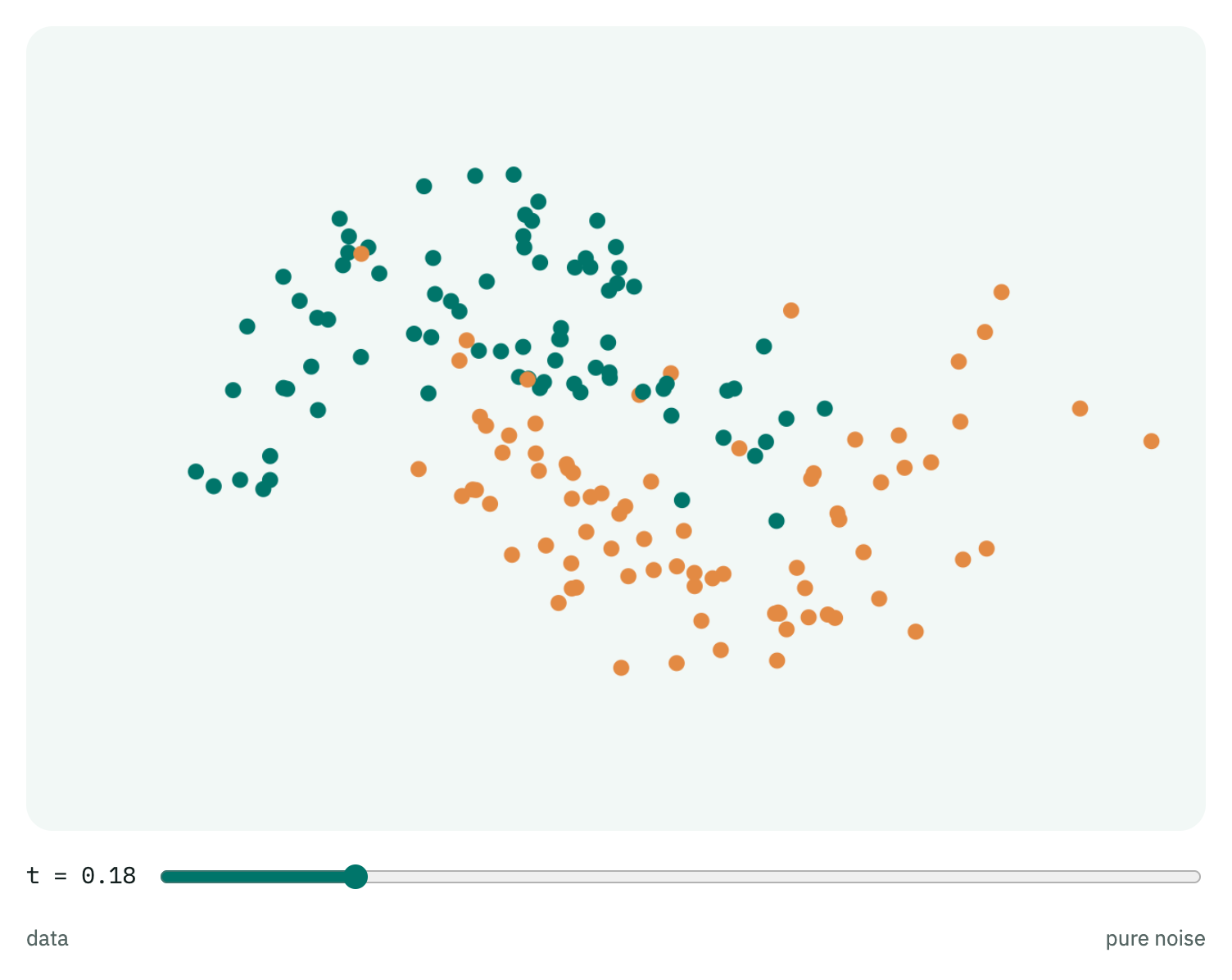
The course will span materials on why generative models are critical, independently of whether the goal is to arrive at a decision or to generate data. We will cover the different ways to design generative models and respective mathematical tools necessary for understanding.

Generative & Dynamic Models

Lecture + Tutorial · MSc · Summer · Taught in English

Lifelong Machine Learning

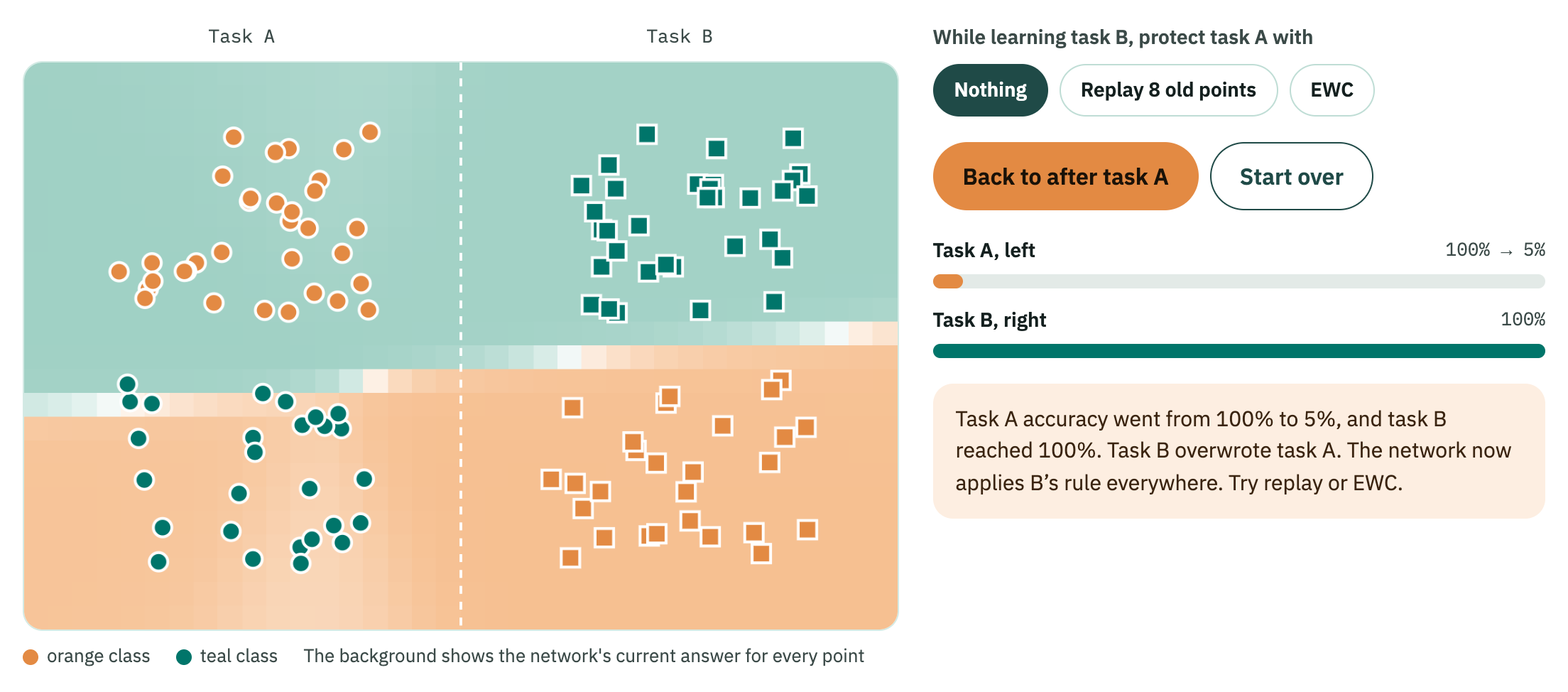
Whereas ML has traditionally concentrated on static pre-defined datasets and respective test scenarios, recent advances also take into account an evolving world. The course traverses the fundamentals of lifelong machine learning, spanning methodology of how to effectively learn in the present, remember past knowledge, and anticipate unknown future contexts and situations.

Continual Machine LearningMemory & Consolidation

Lecture + Project · BSc · Summer · Taught in German

Sustainable AI

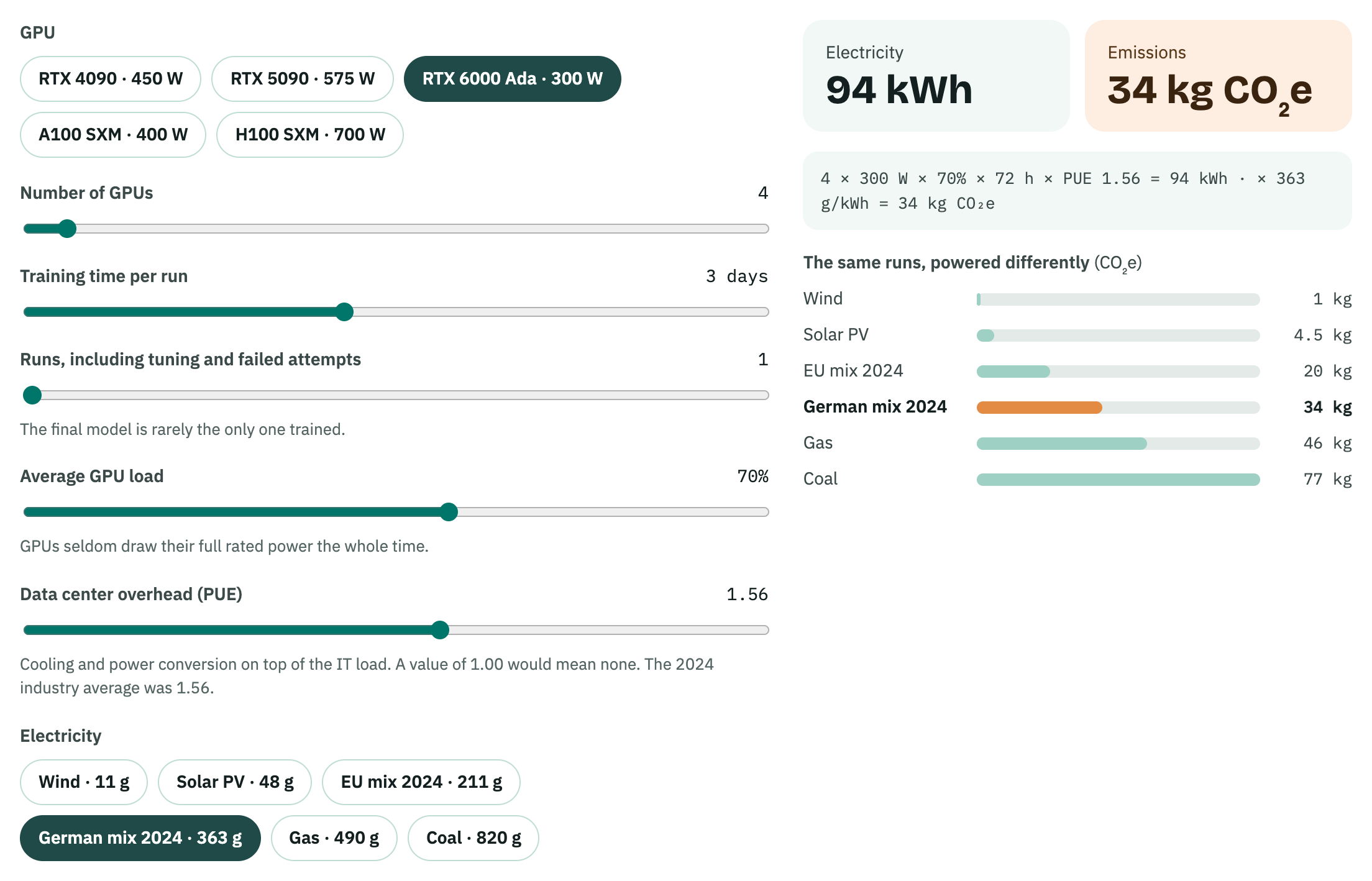
How AI interfaces with sustainability, both how AI can help or harm global sustainability goals and how sustainability requirements shape AI development. The course links technical concepts, from data acquisition and computation to learning procedures, decision processes and their outcomes, to fairness, ethics, participatory design and regulation.

Participatory AI

Seminar · MSc · Winter · Taught in English

Advances in Lifelong Learning Machines

Throughout the seminar, students will engage with modern literature that advances the frontiers of lifelong learning machines. They will improve their presentation skills, navigating scientific works, inspect the newest algorithms, and identify persisting limitations and open research questions.

Continual Machine LearningMemory & Consolidation

Seminar · MSc · Summer · Taught in English

Modern Perspectives on AI Sustainability

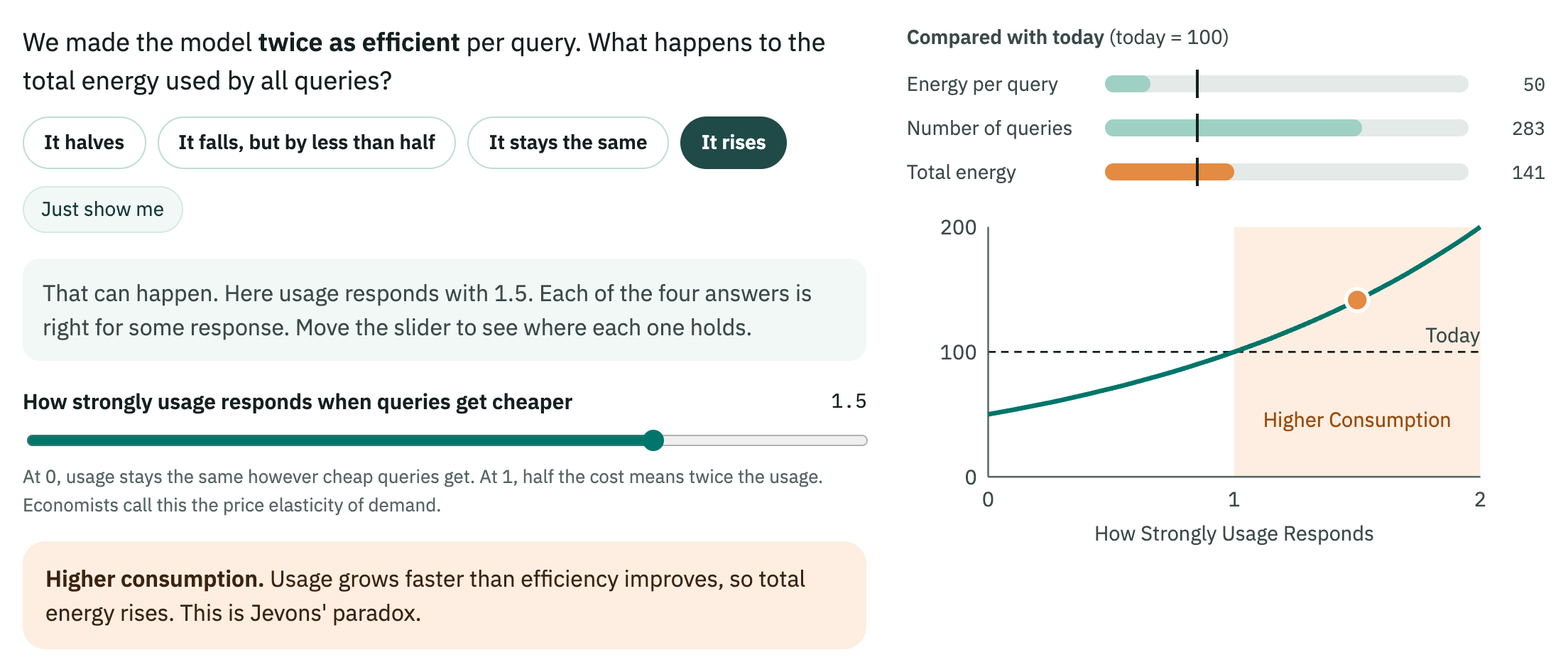
The seminar covers different aspects of AI sustainability. Students will get to engage with a variety of modern perspectives. Throughout the seminar, they will learn to critically engage with current assessments on AI's impact, analyze the validity of claims with respect to economical, environmental and social sustainability, and separate opportunities from unaddressed harms.

Participatory AI

Project · MSc · Winter · Taught in English

MOCCA project

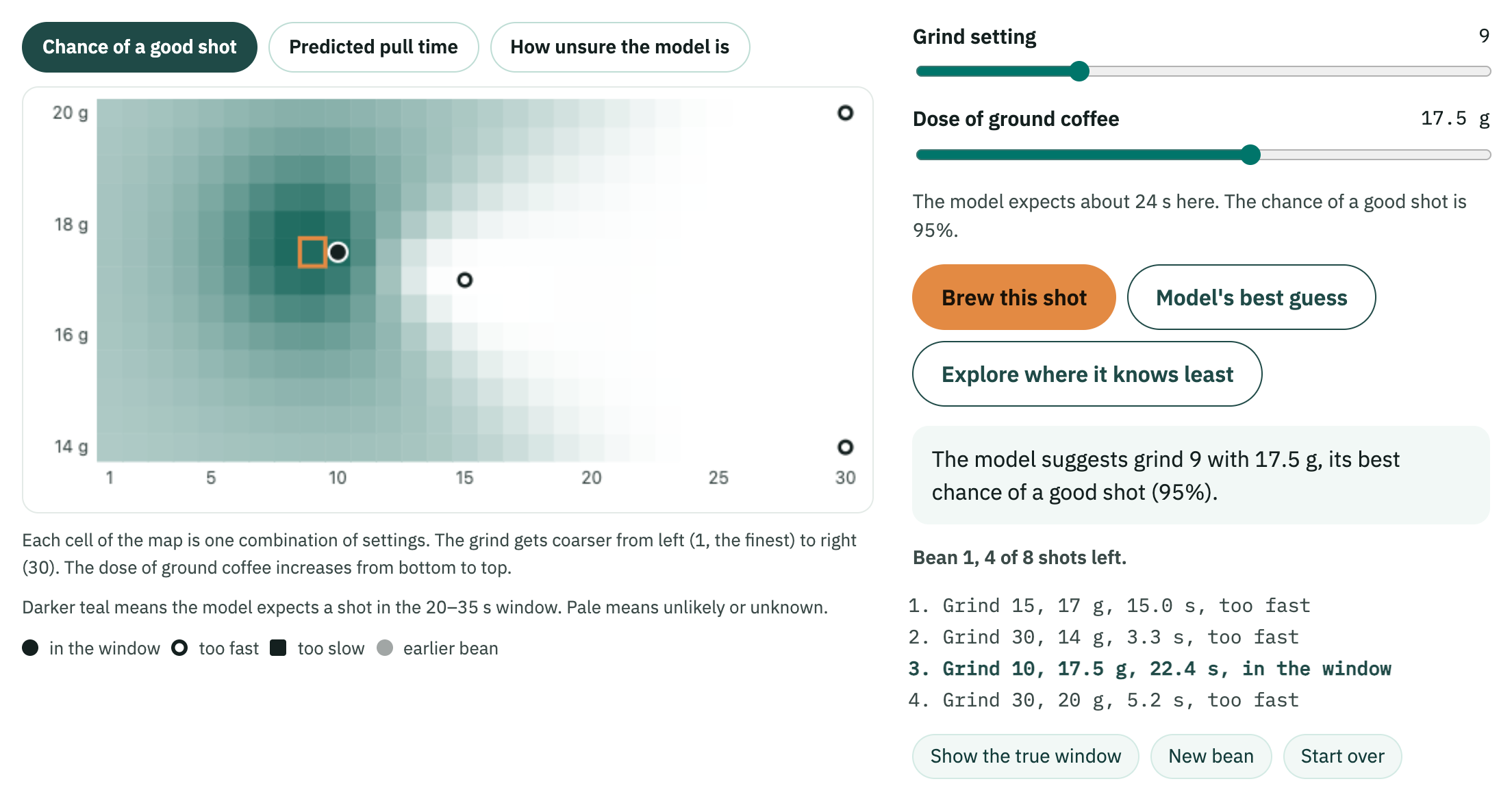
In the Multi-Objective Continual Coffee Automation student project, we will make use of various machine learning tools to go from a package of coffee beans to drinks that are catered to individual preferences. This involves several crucial steps that will be pursued in the project, spanning data acquisition & dataset creation, continual machine learning, inclusion of preferences and natural language feedback.

Where it can lead

Try a small hands-on piece of each course

The demo follows the course you pick in the path above, or jump straight to one.

Try it · AI: Transforming Computer Science

Guess the next word

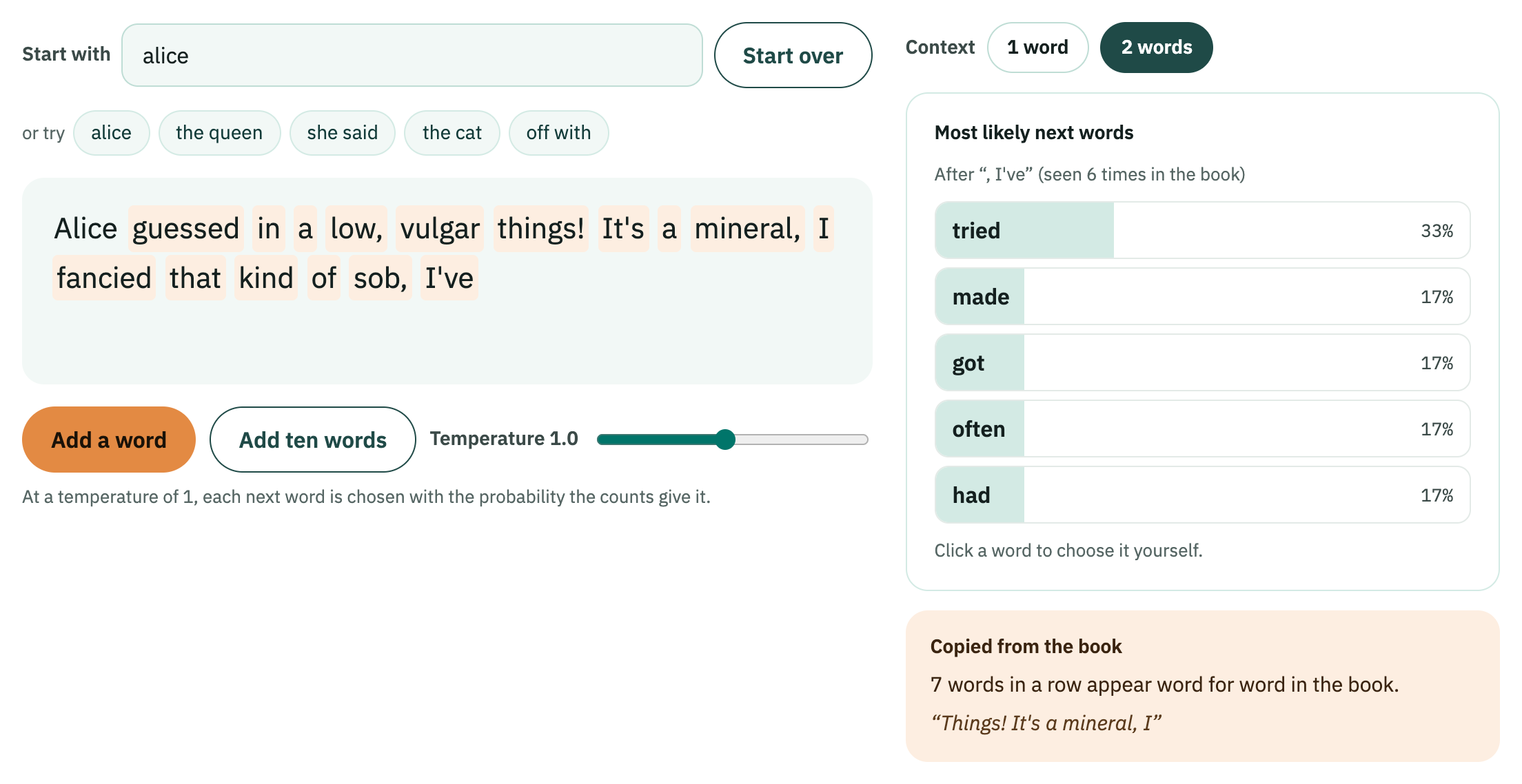
This is a language model in its simplest form. It has counted which word follows which in Alice's Adventures in Wonderland and continues your text one word at a time.

Screenshot of the demo “Guess the next word”.

The interactive demo needs JavaScript.

How it works. The model counted which word follows each word, or each pair of words, in Lewis Carroll's book (1865, public domain, about 30,000 words). It picks the next word at random in proportion to those counts. A low temperature favors the most frequent words, so the text repeats itself. A high temperature makes rare words more likely, so the text becomes more diverse but less coherent.

Large language models. In a slightly simplified picture, they also do the same next token prediction. They use a learned network in place of a count table, far more text and a context of thousands of words. Switch to two words of context and watch how quickly the model starts copying the book. Memorization is an open question for large models too.

Ready for research?

Guided research projects and theses grow out of our research themes, shaped together with you.

Get in touch about a thesis